[Sticky] Link to the YouTube video of the 'fundamentals' part of my 2024 talks on insights into the digital revolution. About how the IT revolution provides reliable performance, but the price paid is less agility (IT is brittle and thus ever more It becomes ever more difficult to change). About how we humans react/have reacted to this and why 'Complexity Crunch' and not a 'Singularity Point' is coming. Also contains links to related posts on the site for those that rather read than watch..
Category: Brittle Logic
Like we don’t see air, we don’t see the Digital Revolution
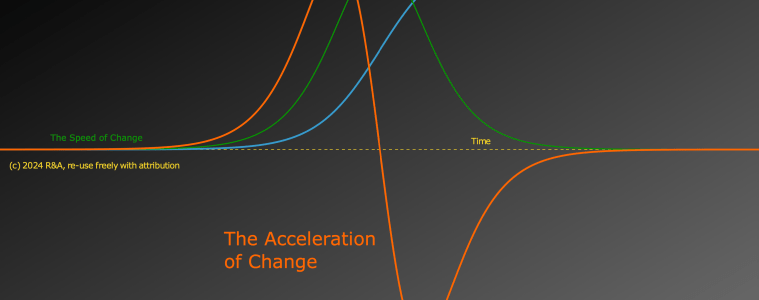
Fundamental properties of digital IT have set ons on a road not to a Singularity Point, but towards Complexity Crunch. That has consequences for our strategic (IT) choices and landscapes. A ‘long read’ (sorry) about lessons we can learn by now after half a century of Digital Revolution so far. Written as I have been giving talks about the subject this pas half year.
Generative AI doesn’t copy art, it ‘clones’ the artisans — cheaply
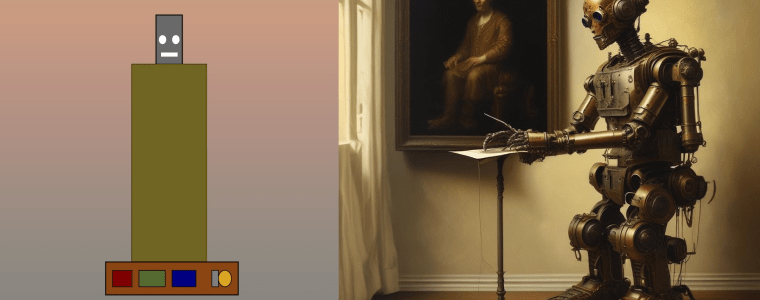
The early machines at the beginning of the Industrial Revolution produced 'cheap' (in both meanings) products and it was the introduction of that 'cheap' category that was actually disruptive. In the same way, where 'cheap' is acceptable (and no: that isn't coding), GenAI may disrupt today. But there is a difference. Early machines were separate inventions creating a comparable product. GenAI is trained on the output of humans, their skill is 'cloned' and it is this 'cloned skill' that produces the 'comparable product'. GenAI is not 'copying art', it is 'cloning the artisan'. And our intellectual rights haven't yet caught up.
No-IT. Really. No. I. T.

What happens when your organisation suddenly loses all of its IT? There are enough realistic ways for that to happen. Think: a really successful ransomware attack. As it turns out, first turning ourselves into 'digital organisations', and then requiring a speedy recovery from 'digital armageddon' creates a weapons grade challenge. A story about 'Out-of-Systems', 'Out-of-Sync', and your 'Minimal Viable Organisation' (MVO), and a 'fix' that may only make matters worse.
Don’t forget all the things that a core team performs to a tee, but that you never see

The third 'fragmentation wave' of the IT-revolution is upon us, it seems. Fragmentation/encapsulation is a repeated pattern in the IT-revolution for managing complexity. First as object oriented programming (for code) and later as agile (for IT landscape change). Now, it is the organisation’s turn to fragment. How strong is your mission, your ‘why’? You might soon find out, thanks to IT.
Cicero and chatGPT — signs of AI progress?
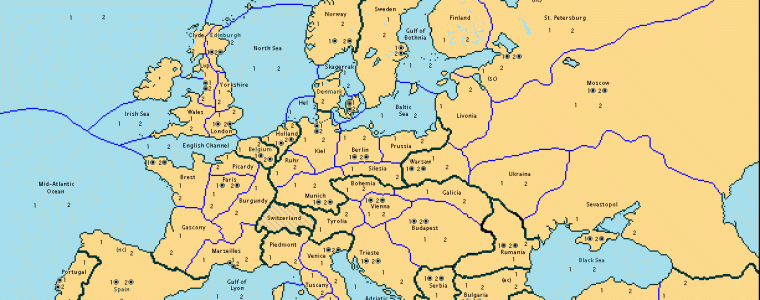
Cicero, an AI, performed in the top 10% against human performers in the game Diplomacy, which is about negotiating with others. chatGPT is making the rounds with its impressive output. Are these AI breakthroughs or at least signs of real progress? Or signs of trouble to come?
It is life, Jim. But not as we know it.

Blake Lemoine, a Google engineer, has claimed the LaMDA language neural net chatbot is sentient, is alive. Nonsense on stilts, according to one critic. A musing about the meaning of 'life'. And abortion. And doubt. And the point Lemoine has but doesn't make.
Dev, Test, Production — “It’s Turtles All The Way Down”
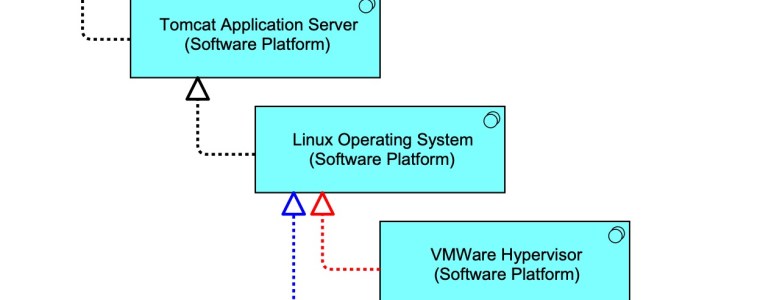
Most IT exists to support other IT, not your business directly. A part of this is that stack/web of platforms on which your applications depend. How does that for instance affect #informationsecurity in your designs?
Are we humans still ‘top dog’ in this brave new world of massive IT?
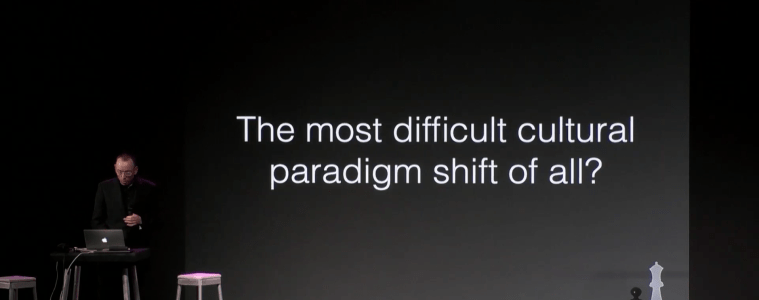
What is the information revolution doing to us humans? A very condensed journey from essences of digital technology and human intelligence to the role of talk, trust and the impact of IT — especially social media — on society. We are most intelligent on the planet, but that is a relative measure. Our intelligence has serious weaknesses, some of which the IT revolution is now making painfully visible. We must hope that we're intelligent enough to accept that we're not very intelligent. That may be an even more difficult paradigm shift than Copernicus' or Darwin's.
Should you derive your IT Strategy from your Business Strategy? Probably not too much.

It is generally accepted that IT Strategy must follow Business Strategy. It seems a no-brainer. But is it? There are reasons to look at it differently, reasons that become more pressing as organisations become more digital.
 R&A IT Strategy & Architecture