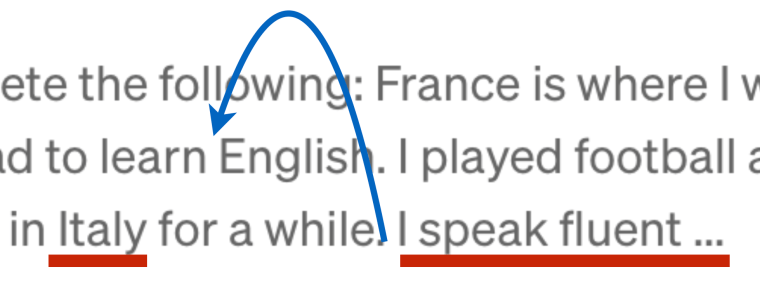
We should stop labelling the wrong results of ChatGPT and friends (the 'hallucinations') as 'errors'. Even Sam Altman — CEO of OpenAI — agrees, they are more 'features' than 'bugs' he has said. But why is that? And why should we not call them errors?
Category: AI
The Truth about ChatGPT and Friends — understand what it really does and what that means
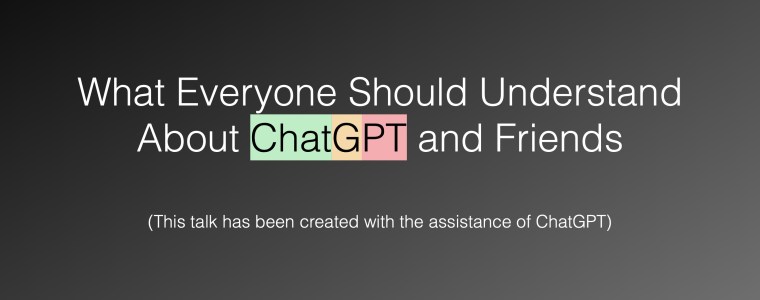
On 10 October I gave an (enthusiastically received) explainer talk at the EABPM Conference Europe 2023, making clear what ChatGPT and friends actually do — addressing the technology in a non-technical but correct way — and what that means. That presentation fills the gap between the tech and the results. At the end you will understand what these models really do in a practical sense (so not the technical how) when they handle language, see not only how impressive they are, but also how the errors come to be (with a practical example), and what that means what we may expect from this technology in the future.
I had a conversation with GPT-4
I had a conversation with ChatGPT. Who hasn't, right? This short post is just to share a short conversation I had with GPT-4. The conversation will probably be mentioned in my upcoming talk "What Every Architect Should Understand About ChatGPT and Friends" which I will hold on 10 October 2023 at the Enterprise Architecture Conference Europe 2023 in London.
Eyes that glaze over. Eyes like saucers. Eyes that narrow.
When (new) technology is concerned, I observe that there are three types of people involved. Those whose eyes 'glaze over'. Those whose eyes become like saucers. Those whose eyes narrow. Who should be the advisor of the decision makers?
Where are GPT and friends going?

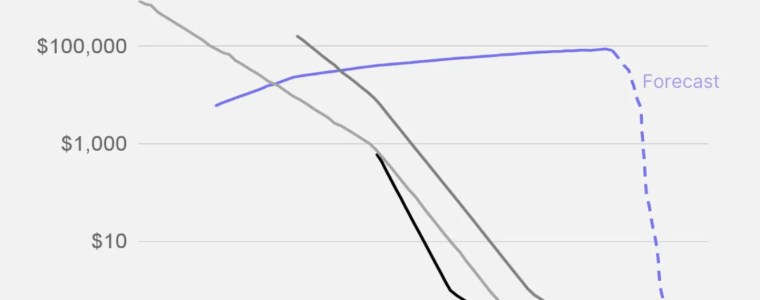
What can we estimate about where the Generative AI innovation is going? Three useful links to articles that give interesting observations and insights.
Cicero and chatGPT — signs of AI progress?

Cicero, an AI, performed in the top 10% against human performers in the game Diplomacy, which is about negotiating with others. chatGPT is making the rounds with its impressive output. Are these AI breakthroughs or at least signs of real progress? Or signs of trouble to come?
On the Psychology of Architecture and the Architecture of Psychology

[Sticky] About the role 'convictions' play in human intelligence, starting from the practical situations 'advisors' — such as IT advisors — find themselves in. Advisors need (a) to know what they are talking about and (b) be able to convince others. For architects, the first part is called 'architecture' and the second part could be called 'the psychology of architecture'. Our intelligence — and that of our audience — is mostly 'mental automation', which makes us humans fast and energy efficient, but only 'quick and dirty'. And like all automation: change is hard.
It is life, Jim. But not as we know it.
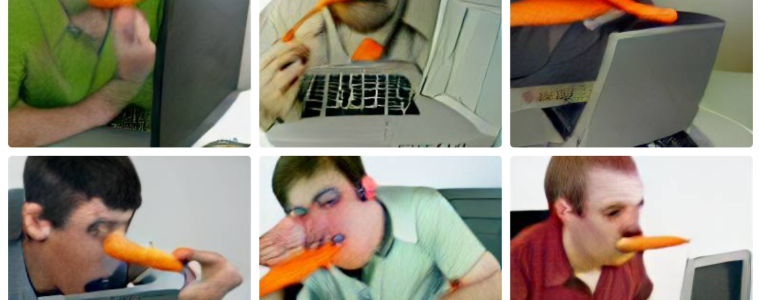
Blake Lemoine, a Google engineer, has claimed the LaMDA language neural net chatbot is sentient, is alive. Nonsense on stilts, according to one critic. A musing about the meaning of 'life'. And abortion. And doubt. And the point Lemoine has but doesn't make.
AI is a Myth, says AI-researcher and engineer Erik Larson
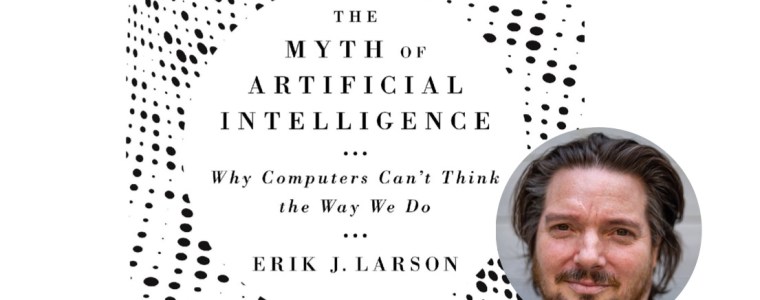
Last April, the book The Myth of Artificial Intelligence was published by Harvard University Press. The author is Erik J. Larson, a computer scientist and tech entrepreneur who is active in the field, especially in natural language processing. After reading…
Read More AI is a Myth, says AI-researcher and engineer Erik Larson
Chatbots: een plaag voor de mensheid

Chatbots. Ze zijn overal tegenwoordig. En ze zijn vaak frustrerend slecht, niet meer dan een te nemen horde op weg naar een mens. Waarom zijn ze zo slecht? Misschien omdat de kern techniek van 30 jaar geleden is?

