I came across a 2 minute video where Ilya Sutskever — OpenAI's chief scientist — explains why he thinks current 'token-prediction' large language models will be able to become superhuman intelligences. How? Just ask them to act like one.
Tag: psychology
GPT and Friends bamboozle us big time
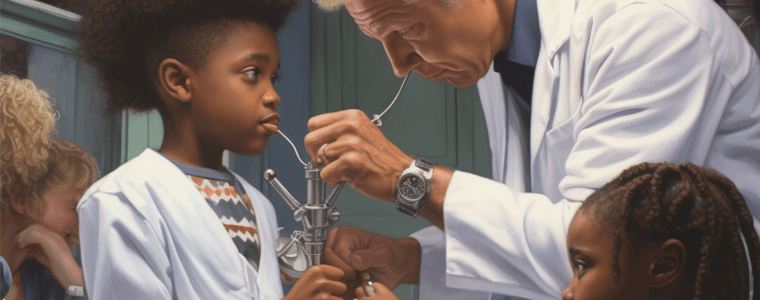
After watching my talk that explains GPT in a non-technical way, someone asked GPT to write critically about its own lack of understanding. The result is illustrative, and useful. "Seeing is believing", true, but "believing is seeing" as well.
The hidden meaning of the errors of ChatGPT (and friends)
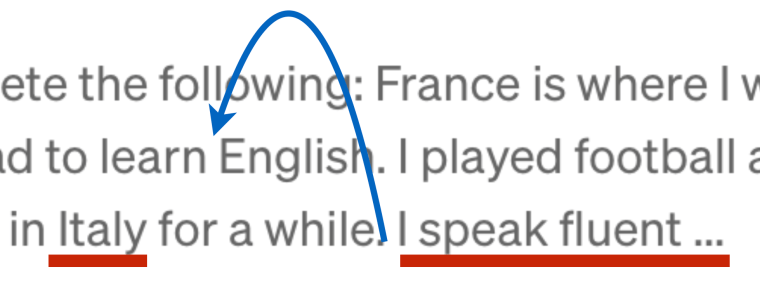
We should stop labelling the wrong results of ChatGPT and friends (the 'hallucinations') as 'errors'. Even Sam Altman — CEO of OpenAI — agrees, they are more 'features' than 'bugs' he has said. But why is that? And why should we not call them errors?
The lack of use cases for blockchain should teach organisations a valuable lesson about handling hypes

If someone tries to get you to invest in some shiny new technology — like blockchain 5-8 years ago — beware. How do you judge these proposals? A realistic use case is key.
Are we humans still ‘top dog’ in this brave new world of massive IT?
What is the information revolution doing to us humans? A very condensed journey from essences of digital technology and human intelligence to the role of talk, trust and the impact of IT — especially social media — on society. We are most intelligent on the planet, but that is a relative measure. Our intelligence has serious weaknesses, some of which the IT revolution is now making painfully visible. We must hope that we're intelligent enough to accept that we're not very intelligent. That may be an even more difficult paradigm shift than Copernicus' or Darwin's.
Perspectives on the Information Revolution
What is the information revolution doing to us humans? A very condensed journey from essences of digital technology and human intelligence to the role of talk, trust and the impact of IT on society.
 R&A IT Strategy & Architecture