- On the Psychology of Architecture and the Architecture of Psychology
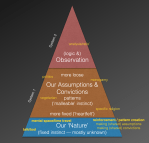 [Sticky] About the role ‘convictions’ play in human intelligence, starting from the practical situations ‘advisors’ — such as IT advisors — find themselves in. Advisors need (a) to know what they are talking about and (b) be able to convince others. For architects, the first part is called ‘architecture’ and the second part could be called ‘the psychology of architecture’. Our intelligence — and that of our audience — is mostly ‘mental automation’, which makes us humans fast and energy efficient, but only ‘quick and dirty’. And like all automation: change is hard.
Latest Posts
- The key to real intelligence might be imagination
 Just copied from an earlier version on LinkedIn, a short article describing the key role of imagination in intelligence and why that may mean that self-driving cars require true intelligence and more than just reacting to sensors.
 - ArchiMate NEXT: summary verdict, “what’s in a name?”, and a wild ride.
 Fourth (and last) post about the ArchiMate NEXT snapshot from last summer. Summarising and then going wild on suggestions. Fasten your seatbelts, ArchiMate-geeks!
 - ArchiMate NEXT: On stories versus maps
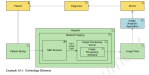 A new version of ArchiMate is coming. Last summer a snapshot of “ArchiMate NEXT” was published. Third of a few articles with my thoughts on the development, like the previous one focusing on an aspect that did not change (but maybe should)
 - ArchiMate NEXT: At your service!
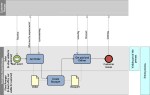 A new version of ArchiMate is coming. Last summer a snapshot of “ArchiMate NEXT” was published. Second of a few articles with my thoughts on the development. Focusing on ArchiMate’s second essential property: external behaviour/structure (services, interfaces), versus internal and the role of abstractions.
 - ArchiMate NEXT drops BAT. Now What?
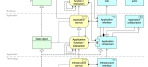 A new version of ArchiMate is coming. Last summer a snapshot of “ArchiMate NEXT” was published. First of a few articles with my thoughts on the development. With a slight sprinkling of history.
AI-generated podcastAI-slopcastWe introduce a new term: “AI-slopcast”. This is a podcast that is created by Generative AI and — surprise! — is AI-slop. The victim: one of my own posts.- AI has invented a new language, and added sex to a dull office context
 It turns out that AI has created a whole new language. Humans do not speak it, and they may even mistake it for talk about sex. But luckily Generative AI is able to translate it to something humans can understand (and where the sex doesn’t show up).
 - Generative AI ‘reasoning models’ don’t reason, even if it seems they do
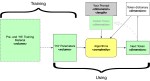 ‘Reasoning models’ such as GPT4-o3 have become a well known member of the Generative AI family. But look inside and while they add a certain depth, at the same time they add nothing at all. Not ‘reasoning’ anyway. Just another ‘level of indirection’ when approximating. Sometimes powerful. Always costly.
[You do not have my permission to use any content on this site for training a Generative AI (or any comparable use), unless you can guarantee your system never misrepresents my content and provides a proper reference (URL) to the original in its output. If you want to use it in any other way, you need my explicit permission]
 R&A IT Strategy & Architecture